1927 Buffalo Nickel Value Chart at a Glance
The table below summarizes current collector market values for all 1927 Buffalo nickel varieties across four condition tiers. For a fully illustrated step-by-step in-depth 1927 Buffalo nickel identification guide, including die variety attribution and photographic grading references, see the linked resource. The 1927-S row is highlighted in gold because it is the signature variety; the 1927-D is highlighted in orange due to its status as a conditional rarity in top grades.
| Variety | Worn (G–F) | Circulated (VF–AU) | Uncirculated (MS60–64) | Gem (MS65+) |
|---|---|---|---|---|
| 1927-P (No Mint Mark) | $1 – $10 | $12 – $40 | $50 – $320 | $300 – $24,000+ |
| 1927-D | $25 – $55 | $85 – $250 | $325 – $1,200 | $4,000 – $46,000+ |
| 1927-S ★ | $5 – $40 | $80 – $500 | $1,050 – $5,000 | $12,400 – $125,350+ |
| Two Feathers Error (S) | $100 – $200 | $200 – $700 | $700 – $2,000 | $2,000 – $2,280+ |
| Double Die Obverse (P/S) | $25 – $60 | $60 – $200 | $200 – $600 | $600+ |
★ Signature variety. Values are based on PCGS/NGC graded examples. Raw/ungraded coins typically sell for less. Auction records represent historical peaks, not typical sales.
📱 CoinHix is a fast on-the-go way to photograph your 1927 nickel and get an estimated value range before diving deeper — a coin identifier and value app.
Navigate This Guide
Jump directly to any section:
The Valuable 1927 Buffalo Nickel Errors (Complete Guide)
The 1927 Buffalo nickel series produced several documented mint errors and die varieties that can multiply a coin's value many times over. Most arise from overworked dies, die polishing, hub doubling, or striking accidents at the Philadelphia, Denver, and San Francisco mints. Each card below covers the diagnostic details you need to identify a variety with confidence under a 10× loupe.
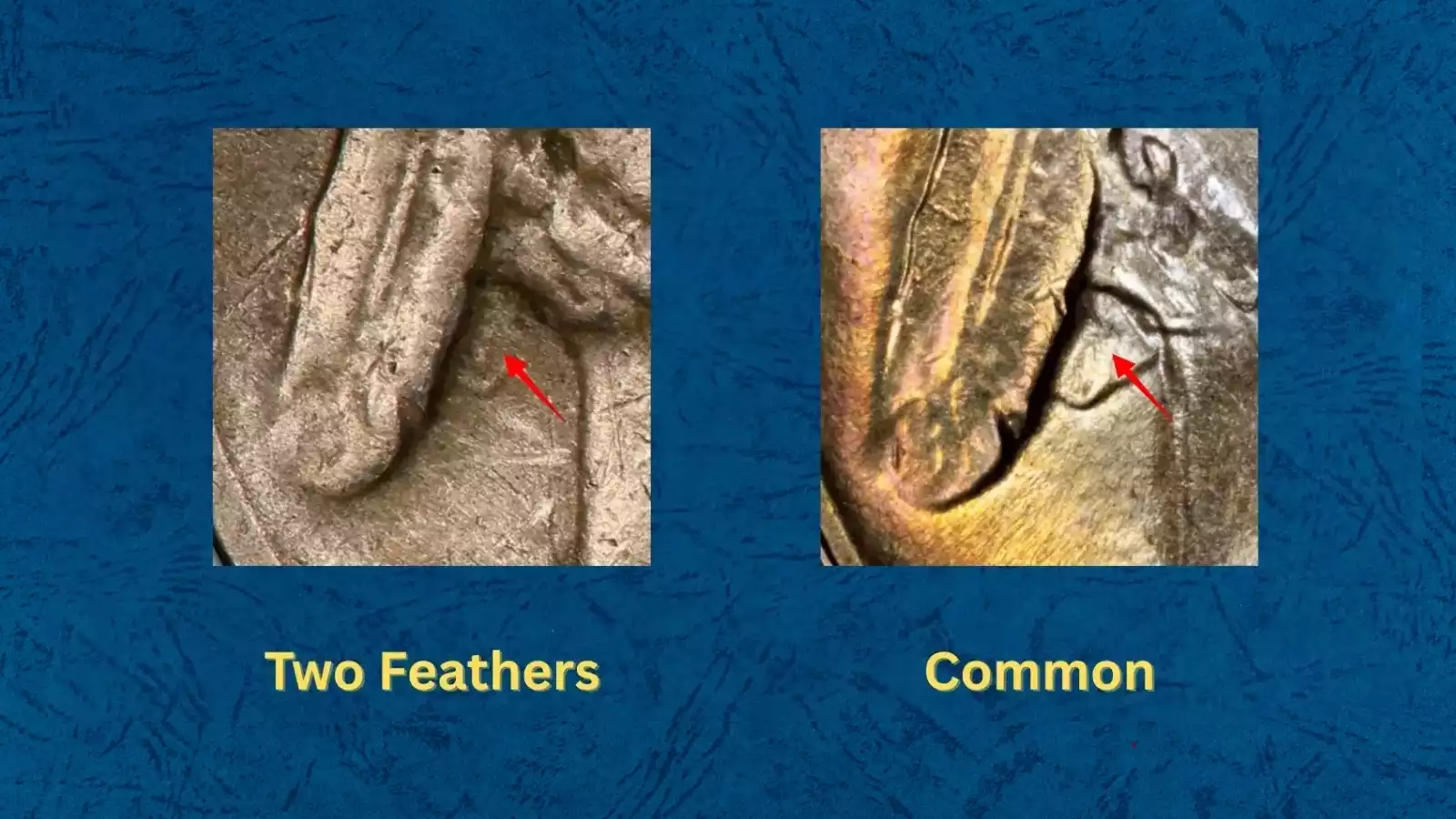
Two Feathers Error
$100 – $2,280+The Two Feathers error is caused by excessive die polishing at the San Francisco Mint. Over-polishing obliterated the third feather in the Native American chief's headdress on the obverse die, creating a hub impression with only two visible feathers instead of the normal three.
To identify it, count the feather stems extending rearward from the braid tie under magnification. A genuine Two Feathers coin will show a smooth, die-level absence — not a worn flat spot — between the two remaining feathers. The surrounding die steel will appear equally polished, confirming the loss predates striking.
Collectors pay sharp premiums because the error results from a deliberate (if accidental) die alteration, making every struck coin diagnostically consistent. The same die polish that erased the feather also imparted a distinctive surface texture to this San Francisco issue, further aiding authentication.
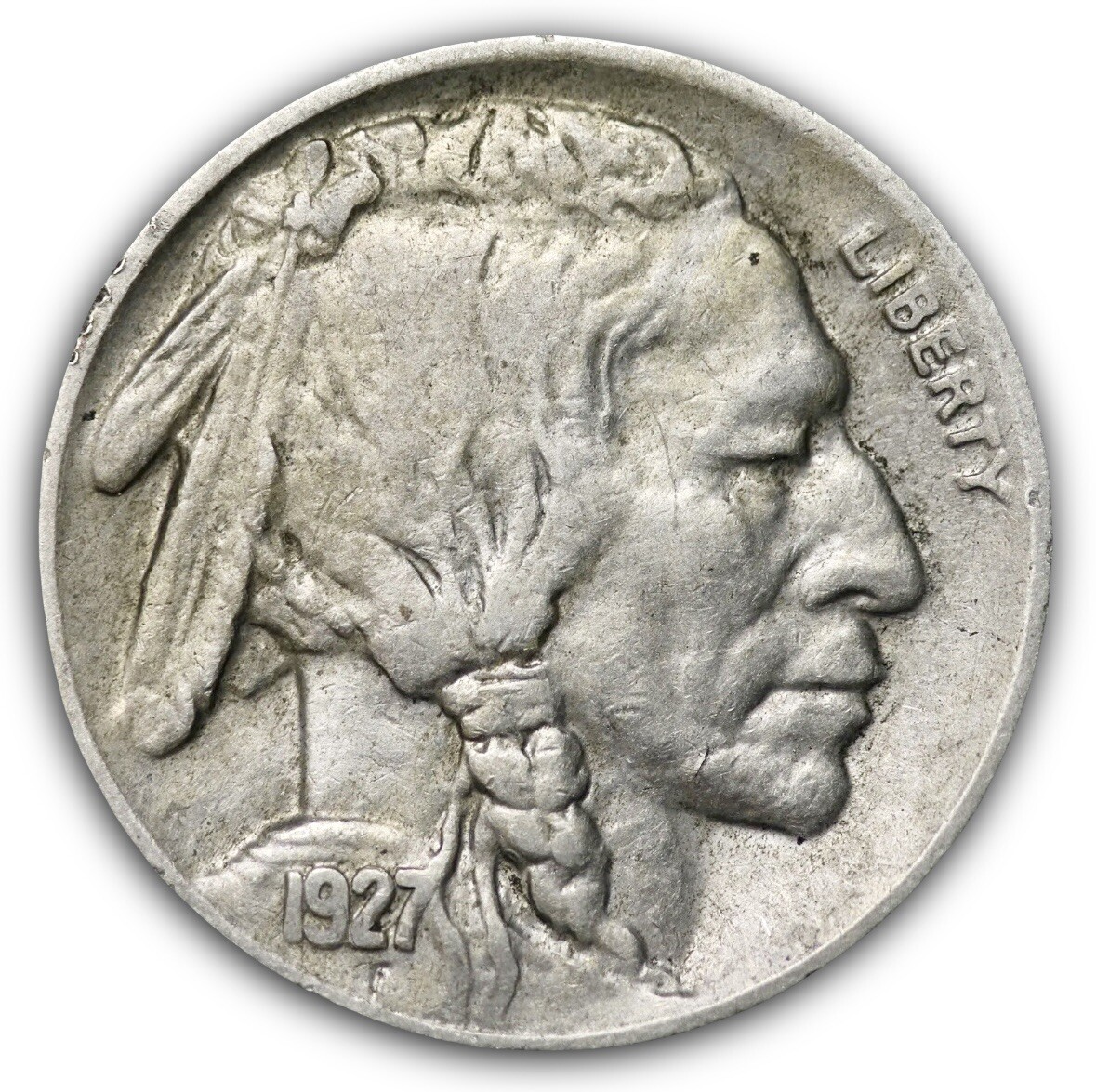
Double Die Obverse (DDO)
$25 – $600+The Double Die Obverse on 1927 Buffalo nickels occurs during the hub-to-die transfer process when the working die receives two sequential impressions from the hub at slightly different rotational or lateral angles. The result is a doubling of design elements visible on the finished coin — most prominently in the date numerals and the LIBERTY inscription.
On a 1927 DDO, look for a clear shelf or secondary outline to the right or lower-right of each date digit. The doubling in LIBERTY is often most dramatic in the letter "L" and "I." Under a 10× loupe, the doubled elements appear as raised, parallel ridges rather than the blurry haze of a die-deterioration double.
San Francisco produced a more dramatic DDO variety than Philadelphia in 1927, with the S-mint version commanding the highest premiums. Both varieties benefit from certification as genuine hub-doubled dies, since machine-doubled designs (worthless) can mimic this error to an untrained eye.
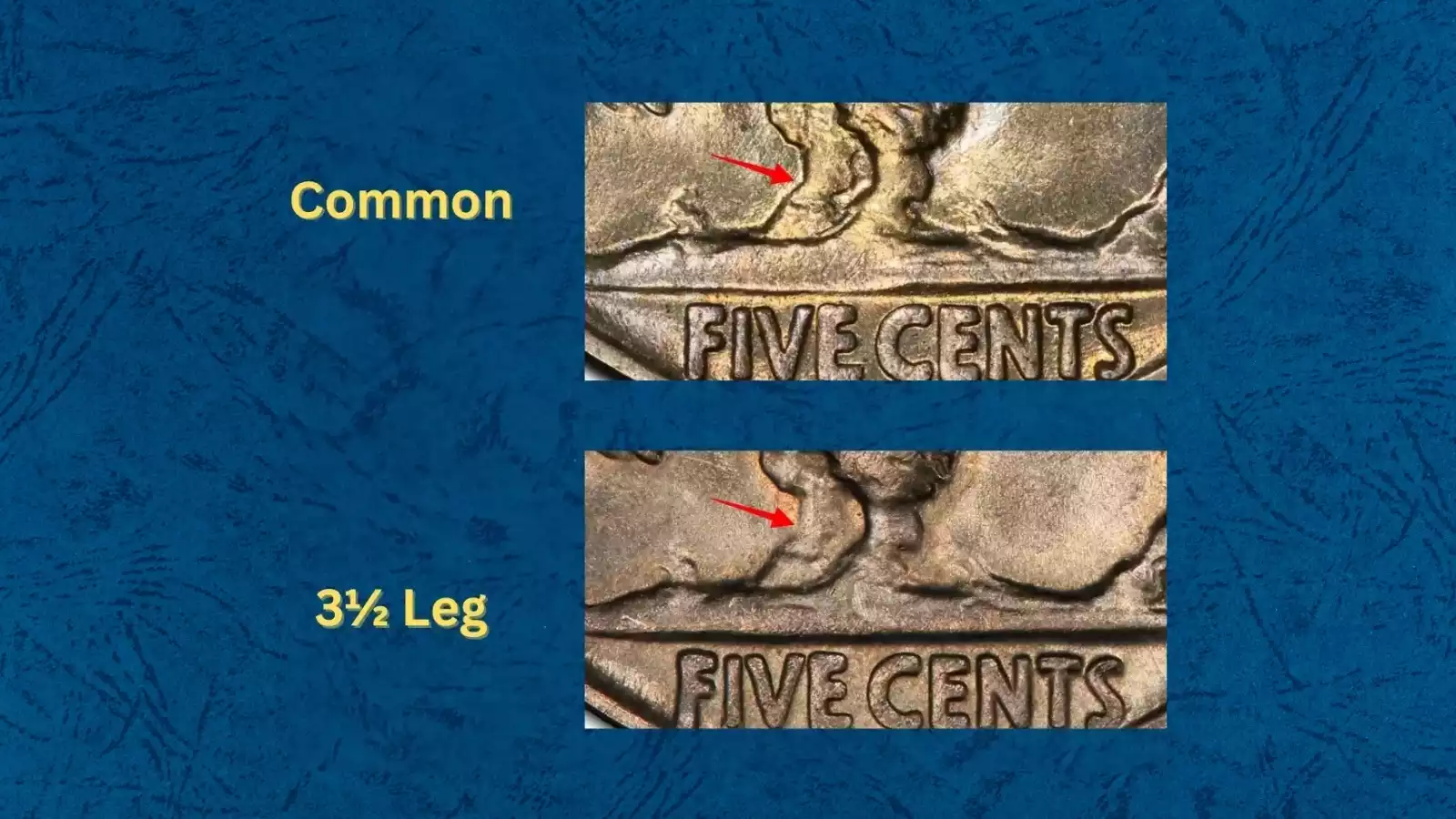
3½ Legs Buffalo Error
$80 – $6,000+The 3½ Legs variety results from aggressive over-polishing of the reverse die, which removed a portion of the buffalo's front right leg at the hoof. Unlike the famous 1937-D 3-Legged variety (where the entire front leg is absent), the 1927 version retains the upper leg and thigh but shows the lower leg fading away before reaching the ground — hence "3½" legs.
Collectors identify it by focusing on the buffalo's front right hoof area on the reverse. On a genuine 3½ Legs example, the lower leg transitions from full relief to near-flat die steel. The hoof itself may be entirely absent or only faintly suggested. Importantly, the adjacent die field should show the smooth, reflective quality of polish — not the dull flatness of coin wear.
This variety is most associated with Denver-mint 1927-D coinage, where heavily used dies were routinely re-polished rather than retired. The value range is broad because strike quality varies considerably, and even moderately worn examples with the diagnostic missing hoof area command significant premiums over regular 1927-D coins.
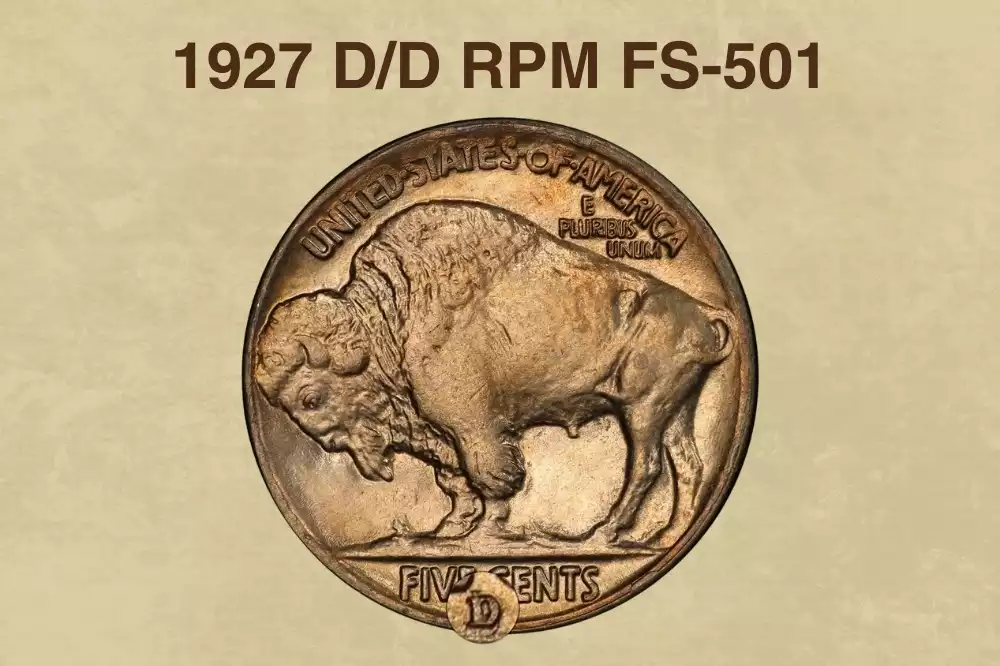
Repunched Mint Mark (D/D)
$15 – $335+Repunched mint marks on 1927-D Buffalo nickels occur when a mint worker punched the 'D' into the working die, then re-punched it at a slightly different position or angle to correct perceived misalignment. The result is a doubled or shadowed 'D' mint mark in which both the primary and secondary impressions are visible to a sharp eye or under magnification.
Under 10× magnification, look directly below the 'D' mint mark on the reverse (below FIVE CENTS). A genuine D/D repunch shows a secondary serif or full secondary 'D' impression at a slightly north, south, or rotated position relative to the primary letter. Die deterioration can produce similar-looking blobs, so look for a structured secondary letter outline rather than a simple blob.
This variety is officially catalogued by PCGS (#38457), which provides authentication certainty for buyers. While premiums are modest for circulated examples, high-grade certified specimens attract competitive bidding from variety specialists building complete die-variety collections of the Buffalo series.
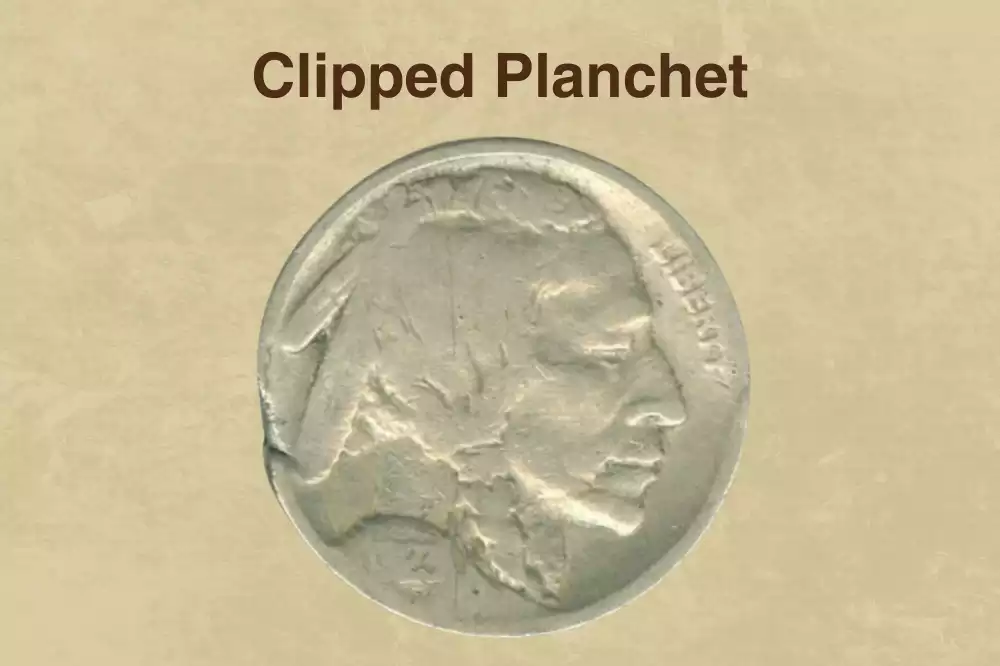
Clipped Planchet
$30 – $200+A clipped planchet occurs when the blank coin disc (planchet) is punched from nickel strip that has already had adjacent blanks removed, leaving a curved or straight void along one edge. When this imperfect blank is later struck, the finished coin carries an obviously irregular edge — either a smooth curved bite out (curved clip) or a straight cut edge (straight clip).
On a 1927 nickel, clips typically measure 10–25% of the coin's diameter and appear on one or two sides of the rim. A genuine clip shows the Blakesley effect — a corresponding weakness in the design directly opposite the clip on the other side of the coin — which confirms the blank was misshapen before striking rather than artificially trimmed afterward.
Values depend heavily on the clip size and the presence of the Blakesley effect. A large, dramatic clip on a problem-free 1927-S or 1927-D coin can push values considerably. Collectors prize clipped planchets for their visual drama, and these errors are straightforward enough for beginning variety hunters to identify without specialized reference materials.
Think You've Spotted One of These Errors?
Run your coin through the free calculator — select your mint mark, condition, and the error you've identified to get an instant estimated value range.
Try the Free Calculator →1927 Buffalo Nickel Mintage & Survival Data
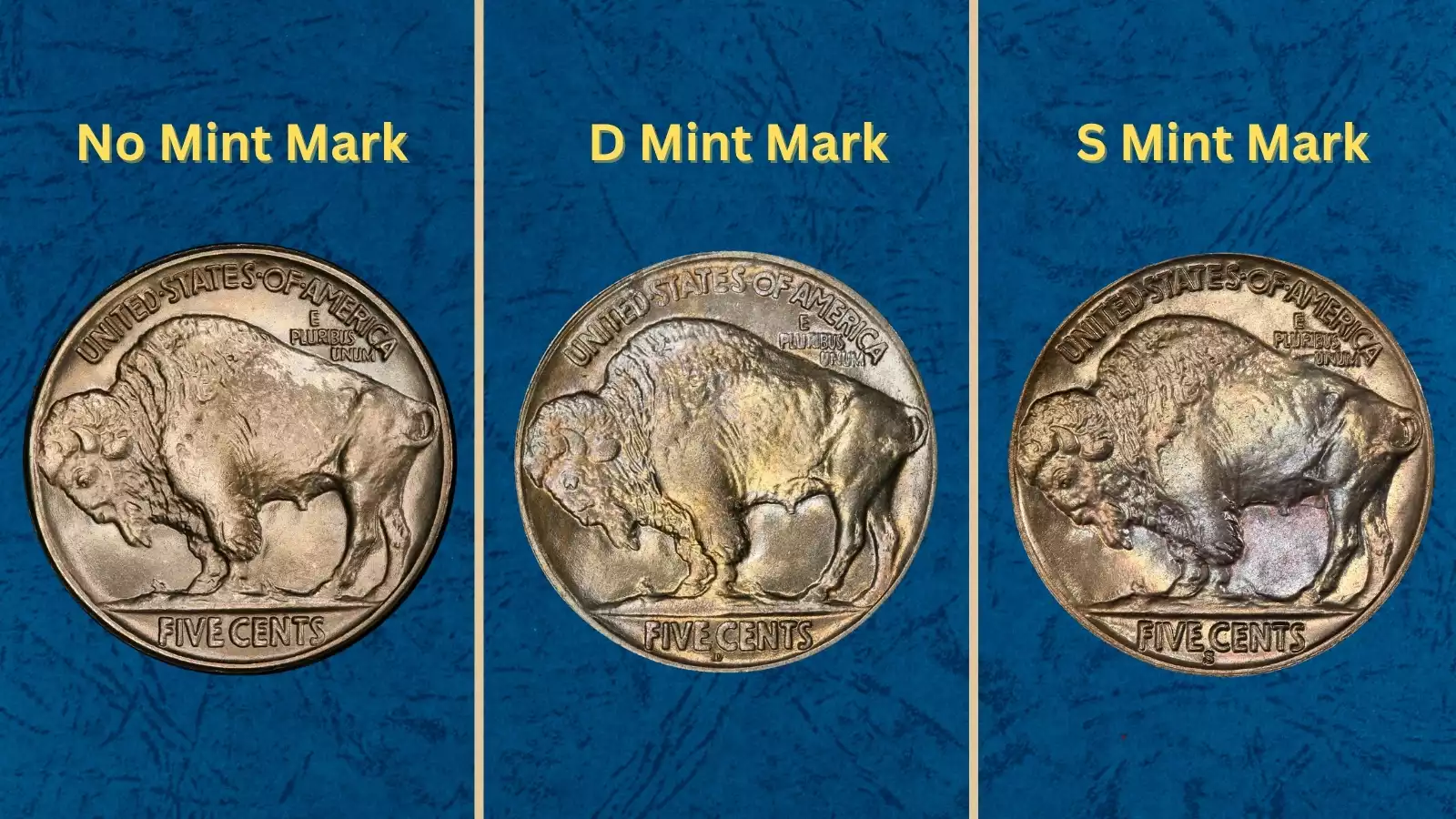
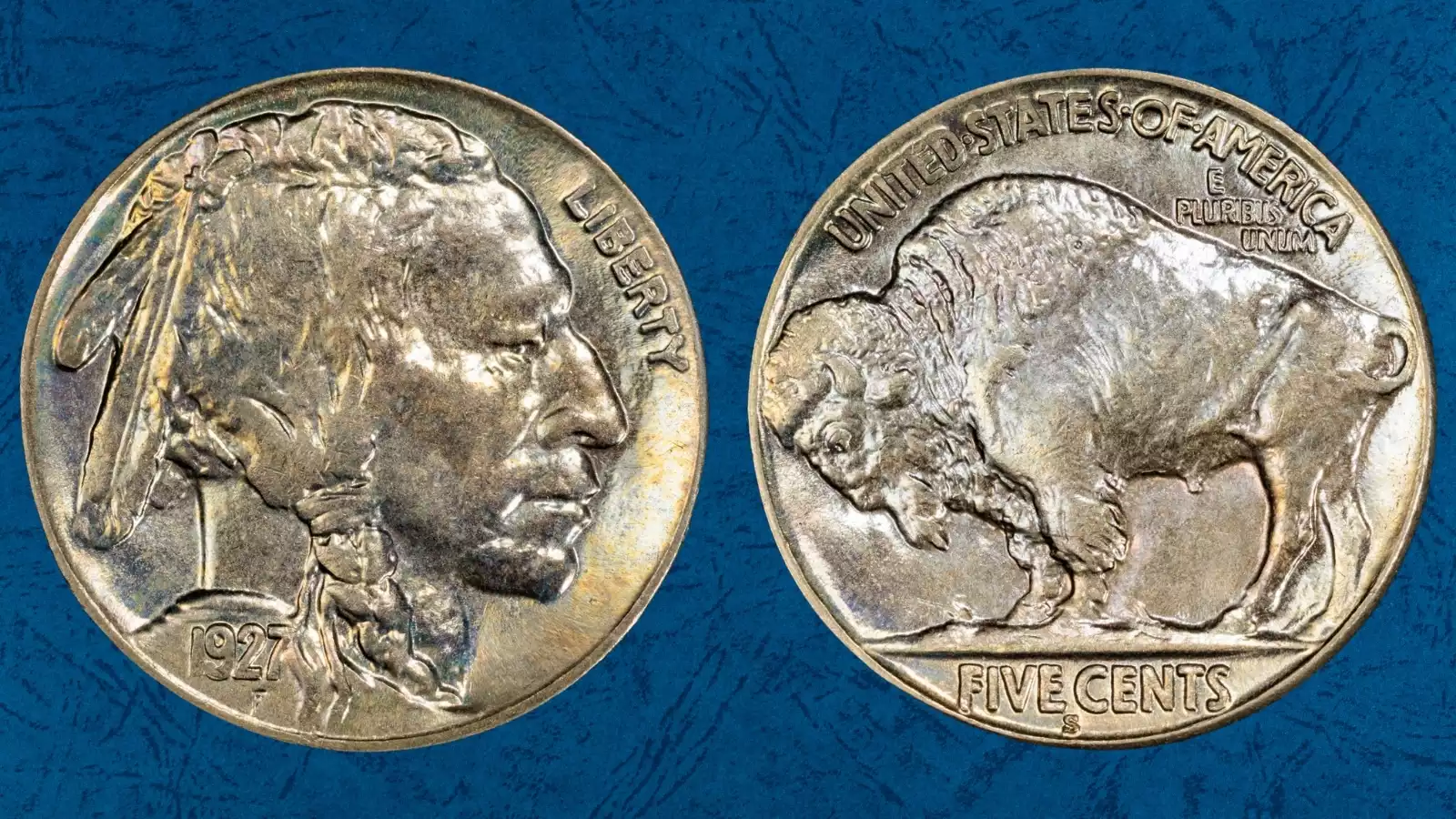
1927 Buffalo nickel varieties from all three mints: Philadelphia (no mark), Denver (D), and San Francisco (S)
| Mint | Mint Mark | Mintage | Auction Record | Key Notes |
|---|---|---|---|---|
| Philadelphia | None | 37,981,000 | $24,000 (MS67+, Stack's Bowers 2019) | Most common; generally sharp strikes; relatively available in lower MS grades |
| Denver | D | 5,730,000 | $46,000 (MS66, Heritage 2005) | Conditional rarity in top grades; weakly struck examples common; look for Two Feathers and 3½ Legs varieties |
| San Francisco ★ | S | 3,430,000 | $125,350 (MS66★, Bowers & Merena 2008) | Lowest mintage; rarest in Gem; only 1920-S, 1925-S, 1926-S rarer in MS65 per PCGS; Two Feathers error source |
| TOTAL | 47,141,000 | — | — | |
Survival estimates: Despite Philadelphia's 37.9 million mintage, very few survive in true Mint State. PCGS estimates fewer than ~14,000 Philadelphia examples survive at all grades above Good-4. San Francisco survival in Gem MS-65 or better is measured in dozens of known specimens.
How to Grade Your 1927 Buffalo Nickel
Four condition tiers — left to right: Worn (G-VG), Circulated (F-VF), Uncirculated (MS-60s), Gem (MS-65+)
Worn
The Indian's cheekbone is nearly flat with little hair detail remaining. On the reverse, the buffalo's horn may be completely absent — a natural result of heavy circulation, not an error. The date is readable but often weak. Legends are present but flat. Most worn 1927 Philadelphia nickels fall here. Value: $1–$10 (Philadelphia), $25–$55 (Denver), $5–$40 (San Francisco).
Circulated
The Indian's cheekbone shows wear but individual hair strands remain partially visible above the braid. The buffalo's horn is present but may be blunted at the tip. At AU (About Uncirculated), only the slightest friction appears on the Indian's cheek and the buffalo's shoulder, with at least half the original luster intact. The braid tie and fur lines remain distinct. Value: $12–$500 depending on mint.
Uncirculated
No wear anywhere on the coin. Original mint luster radiates from surfaces when rotated under a single light source. For 1927 Denver and San Francisco coins, luster is often more brilliant than frosty. Bag marks from contact with other coins during storage are expected and affect the grade within the MS-60 to MS-64 range. The horn tip is complete on well-struck examples. Value: $50–$5,000 depending on mint and strike quality.
Gem
Exceptional eye appeal with minimal contact marks, full original luster, and a sharp strike showing complete horn, full feather detail, and crisp fur texture on the buffalo's hindquarters. Full Horn examples (where the horn tip is completely defined and unflattened from striking) command additional premiums at PCGS and NGC. The 1927-S in MS-65 is one of the rarest Gem-grade Buffalo nickels in the entire series — only three San Francisco dates are scarcer. Value: $300–$125,350+ depending on mint.
🔎 CoinHix lets you photograph your coin and cross-check its condition against graded reference images in seconds — a coin identifier and value app.
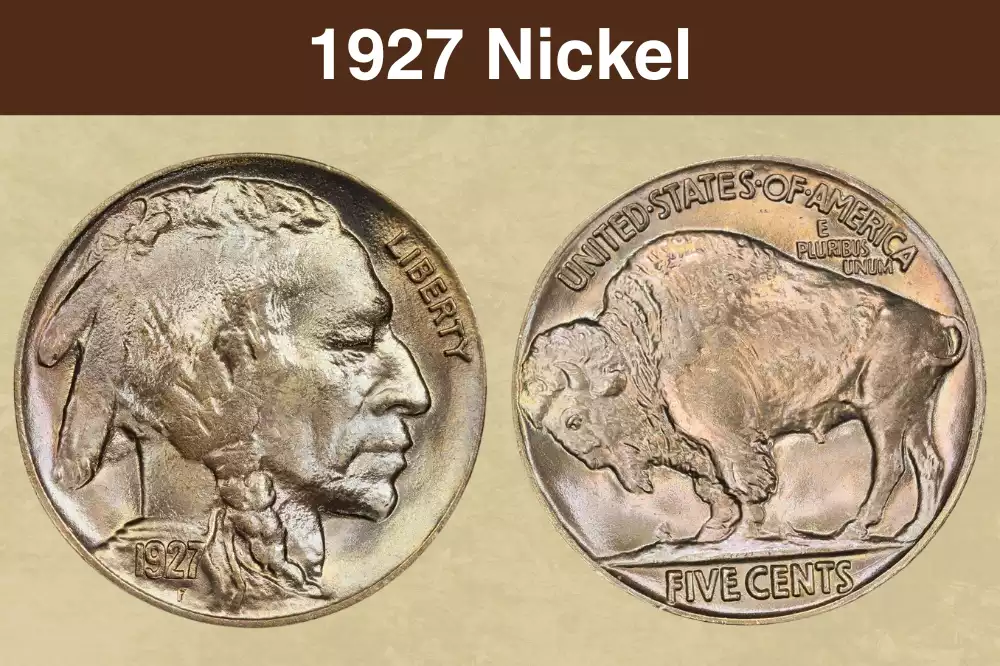
1927-S Two Feathers Error Self-Checker
The Two Feathers error is the most-searched variety on 1927 Buffalo nickels — and one of the most commonly misidentified. Use this side-by-side comparison and the checklist below to determine whether you're looking at an error coin or normal headdress wear.
Left: Normal three-feather headdress · Right: Two Feathers error — third feather missing due to die polishing
🔵 Common — Normal 1927 Nickel
- Three distinct feathers visible in the headdress braid area
- All three feather stems have roughly equal definition
- Any missing detail is accompanied by overall surface flatness from wear
- The coin's field (background) has consistent surface texture throughout
🟡 Rare — Two Feathers Error
- Only two feathers visible — the third is absent as a die-level feature
- The area where the third feather should be is smooth, not worn flat
- Adjacent hair strands and other details remain sharp (not affected by wear)
- Surface texture in the missing-feather area matches the polished die field
Quick 4-Point Verification
Got a Two Feathers Result?
If the checker says your coin might be an error variety, use the calculator below to translate that into an estimated dollar value range based on condition.
Check What It's Worth →Free 1927 Buffalo Nickel Value Calculator
Select your coin's mint mark, condition, and any known errors below, then hit Calculate for an instant estimated value range.
If you're not yet sure about your coin's mint mark or condition, there's a free 1927 Nickel Coin Value Checker tool that lets you upload photos and get an AI-powered estimate without needing to know the grading terminology first.
Describe Your 1927 Nickel for a Detailed Assessment
Not sure which calculator options to pick? Describe what you see on your coin in plain language and our analyzer will interpret it for you.
Mention these things if you can
- Mint mark (D, S, or no mark below FIVE CENTS)
- How worn the Indian's cheek looks
- How many feathers you can count
- Whether the buffalo's horn tip is complete
- Any missing or partial design elements
Also helpful
- Any doubling in the date or LIBERTY
- Irregular edge or missing rim section
- Color of the coin (gray, dark, spotted)
- Whether it looks like it was cleaned
- Approximate size of any mark or oddity
Where to Sell Your Valuable 1927 Buffalo Nickel
The right venue depends on your coin's value tier. A circulated no-mint-mark example needs a different approach than a certified Gem 1927-S.
Heritage Auctions
The world's largest numismatic auction house. Best for certified high-grade 1927-D or 1927-S coins worth $500 or more. Heritage's specialized Buffalo nickel collector base drives strong competitive bidding on condition rarities and error varieties. Expect a 15–20% buyer's premium. Reserve your spot well in advance of a major sale.
eBay
Ideal for circulated common-date Philadelphia coins and lower-grade branch mint pieces. The most active public marketplace for Buffalo nickels lets you reach thousands of collectors. Check recently sold prices for 1927 Buffalo nickels on eBay to benchmark your asking price before listing. Raw (uncertified) coins in the $5–$100 range do especially well here.
Local Coin Shop
Quick, no-shipping-risk cash offers. Best for worn circulated coins under $50 where the convenience outweighs a modest price discount. Ask for quotes from multiple dealers — offers vary significantly. A reputable ANA-member dealer will give you a fair wholesale offer. Avoid shops that don't specialize in coins; they often undervalue Buffalo nickels.
Reddit r/Coins & r/CoinSales
A growing venue for direct collector-to-collector sales at closer-to-retail prices. Reddit works best for mid-range coins ($20–$200) where the community can accurately assess value from posted photos. Post high-resolution images of both sides plus any error area. Communities are helpful and honest — a good place to get free second opinions before any sale.
Frequently Asked Questions — 1927 Nickel Value
Answers drawn from PCGS CoinFacts, NGC grading guides, and verified auction records.
How much is a 1927 nickel worth?
What is the 1927-S Buffalo nickel worth?
What is the Two Feathers error on a 1927 nickel?
How do I find the mint mark on a 1927 Buffalo nickel?
Is the 1927-D Buffalo nickel rare?
What does 'Full Horn' mean on a Buffalo nickel?
How many 1927 Buffalo nickels were made?
What is the highest price ever paid for a 1927 Buffalo nickel?
What errors make a 1927 Buffalo nickel more valuable?
Should I clean my 1927 Buffalo nickel before selling?
Ready to Find Out What Your 1927 Nickel Is Worth?
It takes under 60 seconds. Select your mint mark, condition, and any errors you've spotted — then get your instant estimated value range.
Get My Free Value Estimate →